General Dentist Tips for Dealing With Dry Mouth
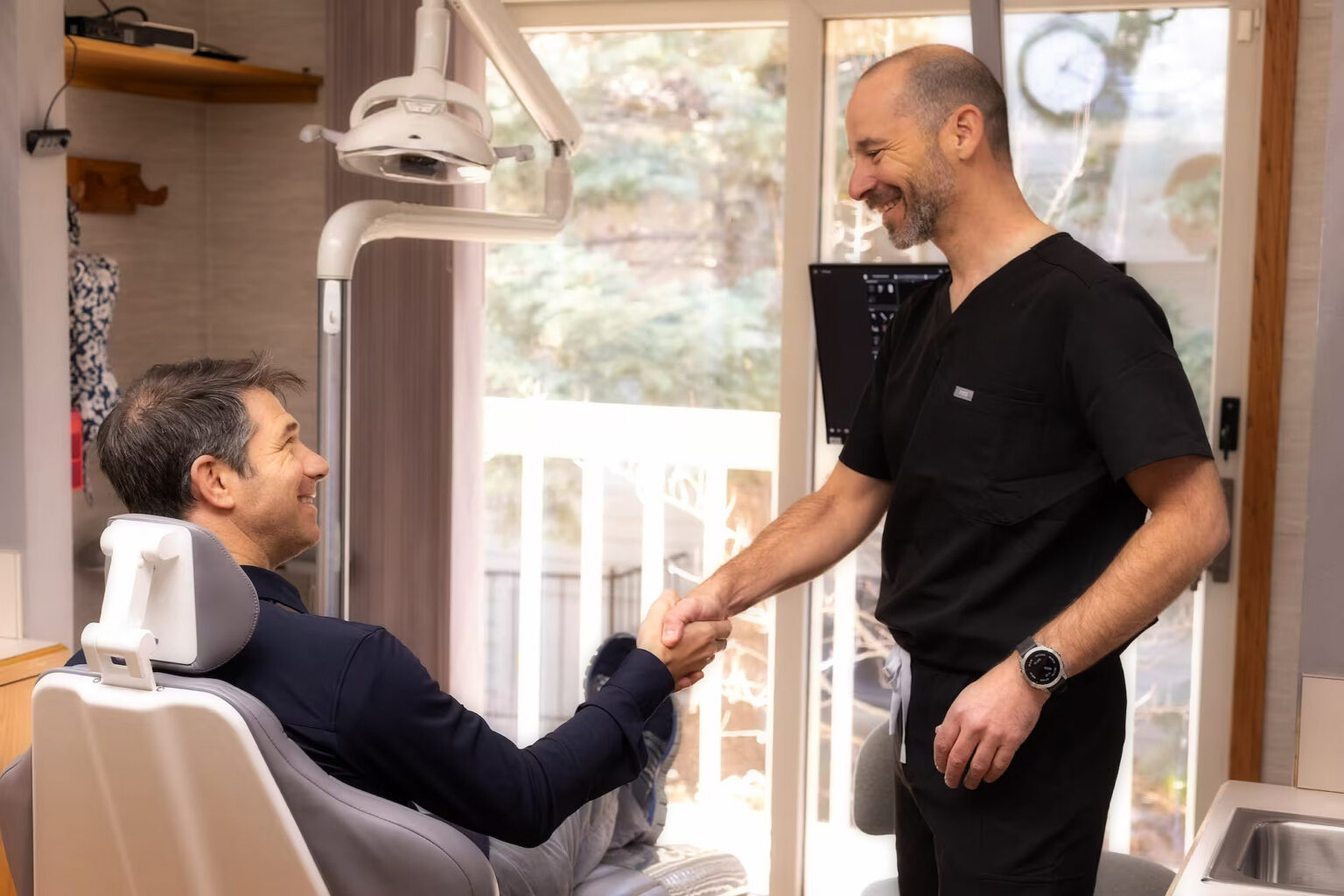
Dry mouth sounds minor until you live with it for a few weeks. Then it starts creeping into everything. Meals become less enjoyable. Speaking for long stretches feels awkward. Dentures lose some of their stability. Sleep gets interrupted because you keep reaching for water. Most importantly, your risk for cavities climbs, often fast.
A General Dentist sees this pattern all the time. Patients usually describe the feeling first, cotton mouth, sticky cheeks, trouble swallowing crackers, waking up parched. What many do not realize is that saliva is doing quiet, essential work every minute of the day. It lubricates oral tissues, helps start digestion, buffers acids, clears food debris, and supplies minerals that help protect enamel. When the flow drops, the mouth loses a lot of its natural defenses.
Dry mouth, also called xerostomia, can happen for many reasons. Sometimes it is temporary, like after a cold medicine or a dehydrating workout. Sometimes it is persistent and linked to a medication, a medical condition, mouth breathing, aging, radiation therapy, or salivary gland dysfunction. The right response depends on the cause, which is why broad internet advice often falls short. What helps one patient can make very little difference for another.
Why dentists take dry mouth seriously
People tend to think about saliva only when there is too much of it at the dental office. In practice, too little saliva causes more trouble. I have seen patients go from a spotless checkup history to multiple cavities in a year after starting a new blood pressure medication or antidepressant. Others notice burning tissues, split corners of the mouth, or a sore tongue before they ever think to mention dryness.
The trouble is not just discomfort. Saliva helps neutralize acid after meals and snacks. Without that buffering effect, teeth stay under attack longer. The roots of the teeth are especially vulnerable, particularly in adults with some gum recession. Those root surfaces are softer than enamel and can decay quickly in a dry mouth. A patient might say, “I have never had cavities in my life,” and still end up with several around the gumline once saliva production changes.
Dry mouth also affects oral balance in subtler ways. Fungal overgrowth becomes more likely. Breath may worsen. Taste can shift. If you wear a night guard, aligners, or dentures, the lack of lubrication can make everything feel tighter, rougher, and more irritating.
What dry mouth usually feels like
The symptom profile is surprisingly consistent, though not everyone gets all of it. One patient described it as feeling like her tongue was made of felt by the end of the day. Another said he could eat steak just fine but could not get through a plain cracker without stopping for water.
Common signs include:
- a sticky or tacky feeling in the mouth
- difficulty chewing, swallowing, or speaking for long periods
- frequent thirst, especially at night
- a dry, rough tongue or burning sensation
- more cavities, bad breath, or mouth sores than usual
That list captures the basics, but the pattern matters more than any single symptom. If you are waking up with dryness every morning, relying on water constantly, or noticing a sudden increase in decay, it is worth a closer look.
The first question a General Dentist asks
When dryness shows up, the first practical question is not which rinse to buy. It is when did this start, and what changed around that time?
Medications are one of the biggest clues. Hundreds of common prescriptions and over the counter drugs can reduce saliva flow. Antihistamines, decongestants, certain antidepressants, anxiety medications, blood pressure medicines, muscle relaxants, and some pain medications are frequent contributors. It does not mean the medication is wrong for you. It means your mouth may need a prevention plan that matches the side effect.
Hydration habits matter too. Patients who sip coffee all morning, have a couple of alcoholic drinks at night, and do not drink much water in between often notice dryness even without a medical trigger. Mouth breathing is another major factor. If your nose is congested or you sleep with your mouth open, your tissues can feel dramatically drier by morning. I have had patients spend money on half a dozen mouth products when the real issue turned out to be untreated snoring, allergies, or sleep apnea.
Medical history also matters. Diabetes, autoimmune conditions such as Sjogren’s syndrome, and prior radiation therapy to the head or neck can all reduce salivary function. These are not situations where a mint and a bottle of water are likely to solve the problem. They call for coordinated care and realistic expectations.
Start with the simplest fixes, but do them well
The most effective dry mouth strategies are often low drama. The key is consistency. Many patients try one product once, decide it “didn’t work,” and move on. Saliva support usually works better as a routine than as a rescue.
Start with plain water, but be strategic. Small, frequent sips tend to help more than chugging a large glass occasionally. Keep water by the bed if nights are your worst time. If your mouth is dry during conversations or long meetings, sip before you start speaking rather than waiting until your mouth feels uncomfortable.
Then look at what is drying you out. Coffee does not need to disappear for everyone, but five cups before lunch is a different story than one morning cup followed by water. Alcohol based mouthrinses can irritate already dry tissues. Tobacco, whether smoked or chewed, makes the environment harsher. Salty snacks and heavily spiced foods can sting a dry mouth more than they used to.
Sugar free gum or lozenges often help, especially when the salivary glands still have some function. Xylitol containing products are a reasonable choice because they can stimulate saliva and are friendlier to teeth than sugary candies. The caveat is that they are not ideal for everyone. Patients with jaw pain, headaches from clenching, or temporomandibular joint issues sometimes aggravate their symptoms by chewing gum all day. In those cases, a lozenge, spray, or saliva substitute may be a better fit.
The products that can help, and the ones that disappoint
Patients often ask for the single best dry mouth product. There usually is not one. There is a category of products that may help, depending on your level of dryness and why it is happening.
Saliva substitutes can be useful, especially before sleep or for people whose mouths are dry despite drinking enough water. They come as sprays, gels, and rinses. Gels often last longer overnight because they coat the tissues a bit more. Sprays are convenient during the day. Rinses can soothe, but some feel too short lived for severe cases.
Fluoride products matter more than people expect. If your saliva is reduced, your cavity risk may be high even if your brushing habits are good. A General Dentist may recommend prescription strength fluoride toothpaste, fluoride trays, or more frequent in office fluoride treatments. This is not overkill. It is often the difference between keeping a manageable dry mouth and spending the next two years repairing preventable damage.
Biotene and similar dry mouth lines are commonly mentioned for a reason. Some patients like them and feel real relief. Others get only modest benefit. That is normal. Product response varies. The bigger mistake is expecting a rinse to reverse dry mouth while ignoring the root cause and cavity prevention.
One practical point from experience, if a product burns, tastes overly sharp, or leaves your tissues feeling tighter afterward, stop using it. People with dry mouth often become sensitive to ingredients that never bothered them before.
Nighttime dryness needs its own strategy
Nighttime is where dry mouth becomes most miserable. Saliva aspenwooddental.com General Dentist flow naturally decreases while you sleep, so anyone already on the dry side feels it more after midnight. This is why people often say, “I’m fine during the day, but I wake up at 3 a.m. Completely dry.”
A humidifier in the bedroom can help when the air is dry, especially in winter or in homes with forced air heating. It is not a cure, but it can reduce tissue irritation. If you suspect mouth breathing, pay attention to nasal congestion, snoring, or waking with a sore throat. Those clues matter. I have had more than one patient improve their dry mouth significantly after addressing chronic sinus issues or being evaluated for sleep apnea.
For denture wearers, nighttime dryness can be especially uncomfortable. Dentures rely in part on saliva for comfort and suction. If the mouth is very dry, sore spots become more likely. Sometimes a denture adjustment helps, but sometimes the better answer is managing the dryness itself rather than repeatedly adjusting a denture that fits reasonably well.
A thin layer of saliva substitute gel before bed can make a meaningful difference. So can avoiding alcohol close to bedtime and not sleeping with sugary cough drops in the mouth, something patients occasionally do without realizing the risk.
Food and drink choices that make a difference
Dry mouth changes how food behaves in your mouth. Dry, crumbly foods become harder to manage. Acidic drinks sting more. Sweets become riskier because there is less saliva available to wash sugar away and buffer the acid produced by bacteria.
This does not mean your diet has to become joyless. It means texture and timing matter. Patients usually do better when meals include moisture, sauces, broths, yogurt, or softer cooked foods instead of relying heavily on dry snack foods. Taking frequent sips of water with meals can help swallowing and comfort, but constant sipping of juice, soda, sports drinks, or sweetened tea throughout the day is a setup for decay.
One pattern General Dentists see often is the “healthy sipping habit” that turns harmful in a dry mouth. Lemon water all day, kombucha over several hours, or frequent fruit smoothies can bathe the teeth in acid and sugar with very little salivary protection. These drinks are not automatically bad, but they are much safer when consumed in a shorter sitting rather than stretched across an entire afternoon.
Oral hygiene has to get more deliberate
People with dry mouth sometimes brush more aggressively because their mouth feels filmy. That often backfires. Dry tissues are easy to irritate, and overly vigorous brushing can worsen tenderness near the gums.
Use a soft toothbrush and a gentle technique. Brush thoroughly, but do not scrub. Flossing remains important because food tends to cling more when saliva is low. If floss shreds or catches, mention it to your dentist. Dry mouth can accelerate decay between teeth and around existing fillings.
Toothpaste choice matters more than usual. Strongly flavored whitening toothpastes can feel harsh on dry tissues. A fluoride toothpaste designed for sensitivity or dry mouth often feels more comfortable and still protects well. If your dentist prescribes a 1.1 percent sodium fluoride toothpaste, use it exactly as directed. Patients sometimes think of prescription toothpaste as optional. For someone with chronic dry mouth, it can be one of the most protective steps in the whole routine.
When to call the dental office instead of experimenting at home
Dry mouth is common, but it should not be brushed aside when it becomes persistent. There are moments when home care stops being enough.
Consider scheduling with your dentist if:
- dryness has lasted more than a few weeks or is getting worse
- you have new cavities, tooth sensitivity, or pain near the gumline
- your tongue burns, your mouth is sore, or you have white patches
- you started a new medication and the timing matches your symptoms
- eating, sleeping, or speaking is being affected regularly
A dental exam can reveal things patients cannot see on their own. Early root decay, fungal changes, salivary pooling, tissue inflammation, and appliance related irritation all have different implications. Sometimes the visit confirms a straightforward dry mouth plan. Sometimes it uncovers a problem that needs medical follow up.
What a General Dentist may recommend at the appointment
A good dry mouth visit is part detective work and part prevention planning. Your dentist may review your medication list, examine salivary flow and tissue quality, assess cavity risk, and ask about sleep habits, hydration, and medical history. Depending on the situation, the next step may be conservative or more involved.
If the dryness appears medication related, your dentist may suggest speaking with your physician or pharmacist about alternatives or timing changes. Patients should not stop prescription medicines on their own, but it is often possible to adjust the regimen in a way that still treats the main condition while easing oral side effects.
If decay risk is high, fluoride support usually becomes more aggressive. Recall visits may also be scheduled more often. Instead of waiting six months, some dry mouth patients do better with shorter intervals, especially when new cavities have started appearing quickly. That is not about upselling cleanings. It is about catching damage early, before a tiny soft spot becomes a filling, then a crown, then something larger.
In some cases, your dentist may refer you to a physician for further evaluation. That is especially relevant when dry mouth is severe, accompanied by dry eyes, joint symptoms, swelling near the salivary glands, or a history that suggests an autoimmune or systemic issue.
Special situations that deserve extra caution
Older adults are affected disproportionately, not simply because of age itself, but because medication use tends to increase over time. A retired patient taking medicines for blood pressure, allergies, sleep, and bladder control may have a very different salivary picture than they did at forty. These patients often do best with simple, repeatable routines rather than complicated product regimens.
Cancer survivors who have had head or neck radiation often deal with a different level of dryness. Their salivary reduction can be profound and persistent. For them, meticulous fluoride use, frequent dental monitoring, and customized comfort measures are not optional. They are central to preserving teeth long term.
People with full or partial dentures face a separate set of frustrations. Dry tissues can make prosthetics feel bulky, unstable, or abrasive. If this is happening, it may not mean the denture was made poorly. It may mean the oral environment has changed and the appliance now needs a different kind of support.
Patients with diabetes also deserve careful attention. Uncontrolled blood sugar can worsen dry mouth, and dry mouth can make oral infections and decay more likely. The relationship runs both ways. Better glucose control often helps oral symptoms, though it may not fix them entirely.
Small changes that often help more than expected
There is a tendency to search for a miracle product when dry mouth appears. More often, relief comes from stacking modest changes that work together. A patient who switches to an alcohol free rinse, starts prescription fluoride, uses a nighttime gel, cuts back on all day acidic drinks, and gets evaluated for mouth breathing may improve far more than someone who buys one expensive spray and hopes for the best.
Another practical observation, timing counts. Use saliva support before the mouth gets painfully dry, not only after. The people who do best are usually the ones who anticipate their dry periods. They hydrate before a long car ride, use a lozenge before a lecture, and apply gel before bed rather than at 2 a.m. After waking uncomfortable.
Dry mouth rarely disappears overnight, especially when medications or medical conditions are involved. But it can usually be managed much better than patients expect, and the earlier you respond, the easier it is to protect the teeth and soft tissues from the secondary problems that tend to follow.
If your mouth has felt persistently dry, bring it up at your next dental appointment, even if it seems minor compared with tooth pain or a broken filling. A General Dentist will usually see the bigger picture quickly. With the right questions and a practical plan, dry mouth often becomes far more manageable, and your teeth are much less likely to pay the price.
Aspenwood Dental Associates and Colorado Dental Implant Center
2900 S Peoria St Ste C, Aurora, CO 80014, United States
+1 303-731-4037
FAQ About General Dentist
How long do teeth fillings last in Aurora, CO?
Fillings can last for years, but they are not lifetime restorations. Their durability depends on the material, the size and location of the filling, chewing forces, and oral hygiene. A general dentist can examine a filling for wear, damage, or new decay and explain whether monitoring, repair, or replacement is appropriate. Age alone does not establish that a filling needs replacement.
How Can I Reduce Dental Anxiety?
Tell the dental team about your concerns when booking and again at your visit. Ask for an explanation of each step, agree on a signal for breaks, and consider slow breathing or headphones if the practice permits them. Discuss pain control and any sedation options with the dentist; suitability depends on your health, medicines, and planned treatment.
When should your child first see a dentist in Aurora?
Arrange the first dental visit within six months after the first tooth appears and no later than the first birthday. Early visits allow the dentist to assess development and discuss brushing, fluoride, feeding habits, and cavity prevention. Ask the practice whether it sees infants and how it handles referrals when a child needs specialist care.